

Introduction
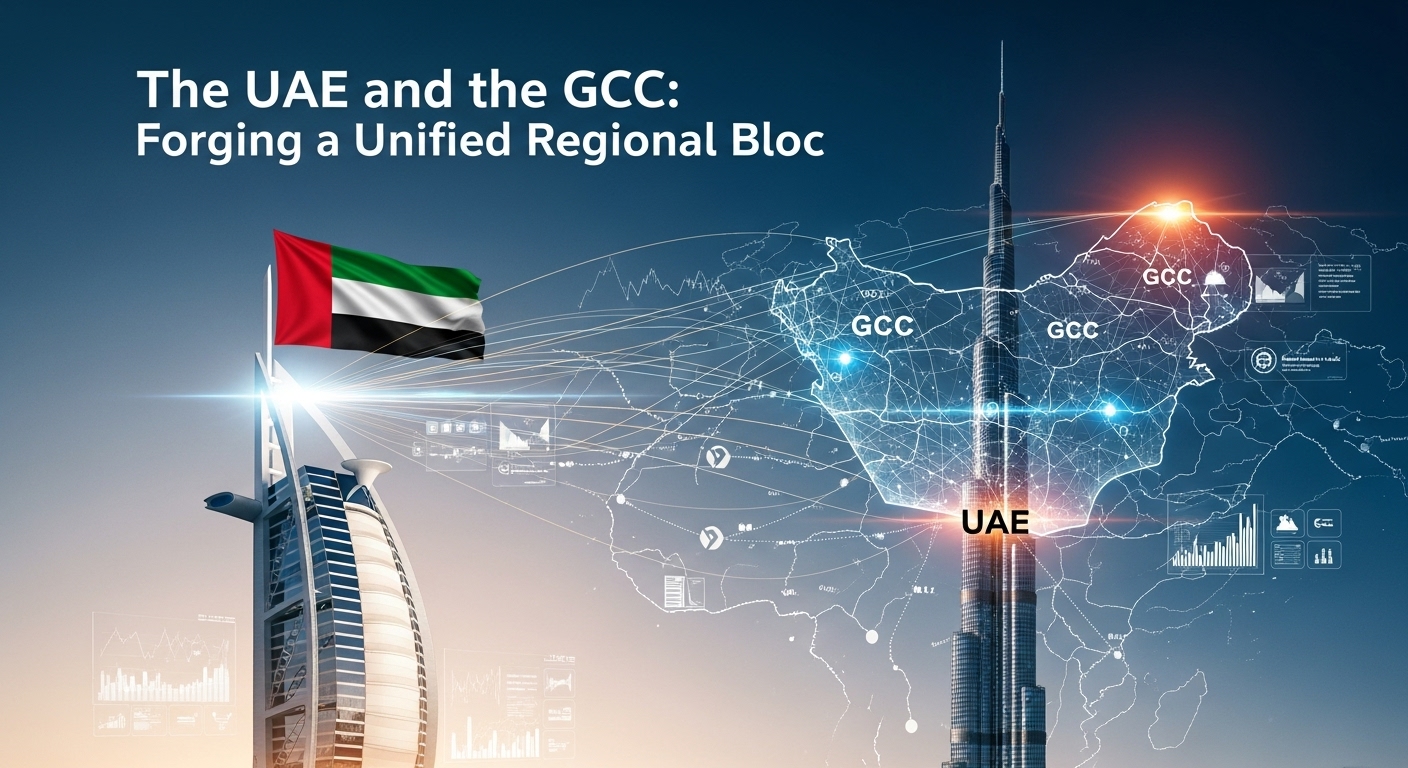
The Gulf Cooperation Council (GCC), established in 1981, represents one of the most significant and enduring frameworks for the UAE’s regional diplomacy. Born from a shared sense of culture, history, and strategic vulnerability, the GCC aimed to coordinate and integrate the policies of its six member states—the UAE, Saudi Arabia, Kuwait, Qatar, Oman, and Bahrain. For the UAE, membership in the GCC has been a cornerstone of its foreign policy, providing a collective platform for economic cooperation, security coordination, and diplomatic weight. The story of the UAE within the GCC is one of steadfast commitment to the ideal of Gulf unity, even as it navigates the complex realities of inter-state politics.
History
The impetus for the GCC’s formation was the geopolitical turmoil of the late 1970s and early 80s: the Iranian Revolution, the Iran-Iraq War, and the Soviet invasion of Afghanistan. These events highlighted the vulnerability of the small, oil-rich Gulf states. The UAE, under Sheikh Zayed, was a founding and enthusiastic member, seeing in the Council a manifestation of the same unifying spirit that had created its own federation a decade earlier. The UAE’s capital, Abu Dhabi, hosted the inaugural GCC Supreme Council summit in 1981, signaling its deep commitment from the outset. Over the decades, the UAE has been a key driver of many GCC initiatives, from a proposed customs union and common market to closer security and military cooperation.
Key Features
The UAE’s role within the GCC is multifaceted:
- Security Cooperation: The UAE has been a leading proponent of a unified GCC security strategy. It has participated in the GCC’s Peninsula Shield Force and has been a key member of coalitions formed under the GCC’s umbrella to address regional threats.
- Economic Integration: The UAE, with Dubai as a global trade hub, has been a strong advocate for reducing trade barriers and creating a GCC common market, seeing clear economic benefits in a larger, integrated economic space.
- Diplomatic Coordination: The UAE often works to align GCC positions on regional issues, using the collective voice of the Council to amplify its own diplomatic influence in international forums.
- Managing Disputes: The UAE has also been at the center of internal GCC disputes, most notably the 2017-2021 rift with Qatar. This period tested the limits of GCC unity but also demonstrated the Council’s resilience, as members eventually moved towards reconciliation.
Cultural Significance
The GCC is more than a political or economic union for the UAE; it is a cultural family. The member states share not only a common language and religion but also similar tribal structures, social customs, and historical experiences. This deep cultural affinity underpins the political project and fosters a sense of shared destiny, or Al Jazeera Al Arabiya (the Arab Island). For Emiratis, cooperation with their GCC neighbors feels natural and necessary. The Council provides a platform to celebrate this shared heritage through joint cultural festivals, sports events, and educational exchanges, reinforcing the bonds of people-to-people contact.
Modern Relevance
In today’s complex geopolitical landscape, the GCC remains a vital pillar of the UAE’s national security and economic strategy. While the UAE pursues an increasingly independent foreign policy, it recognizes that its weight is magnified when acting in concert with its Gulf allies, particularly Saudi Arabia. Collective action through the GCC is crucial for addressing transnational challenges like terrorism, cyber threats, and Iranian regional influence. Economically, the vision for deeper integration, though facing hurdles, continues to offer significant potential. The GCC is also a key forum for coordinating Vision projects like Saudi Vision 2030 and UAE Vision 2071, ensuring that the region’s transformative plans are mutually reinforcing rather than competitive.
Conclusion
The UAE’s engagement with the GCC embodies the constant negotiation between national interest and regional solidarity. While not without its challenges and periods of tension, the UAE’s commitment to the GCC project has been unwavering. It views a strong, united Gulf as the best guarantee of its own long-term stability and prosperity. The GCC provides the UAE with strategic depth, a larger market, and a powerful collective voice. As the Gulf states navigate the post-oil era and an increasingly multipolar world, the UAE’s role as a central pillar of the GCC will be more important than ever, ensuring that this unique regional bloc continues to be a force for stability and cooperation in a troubled part of the world.