

Introduction
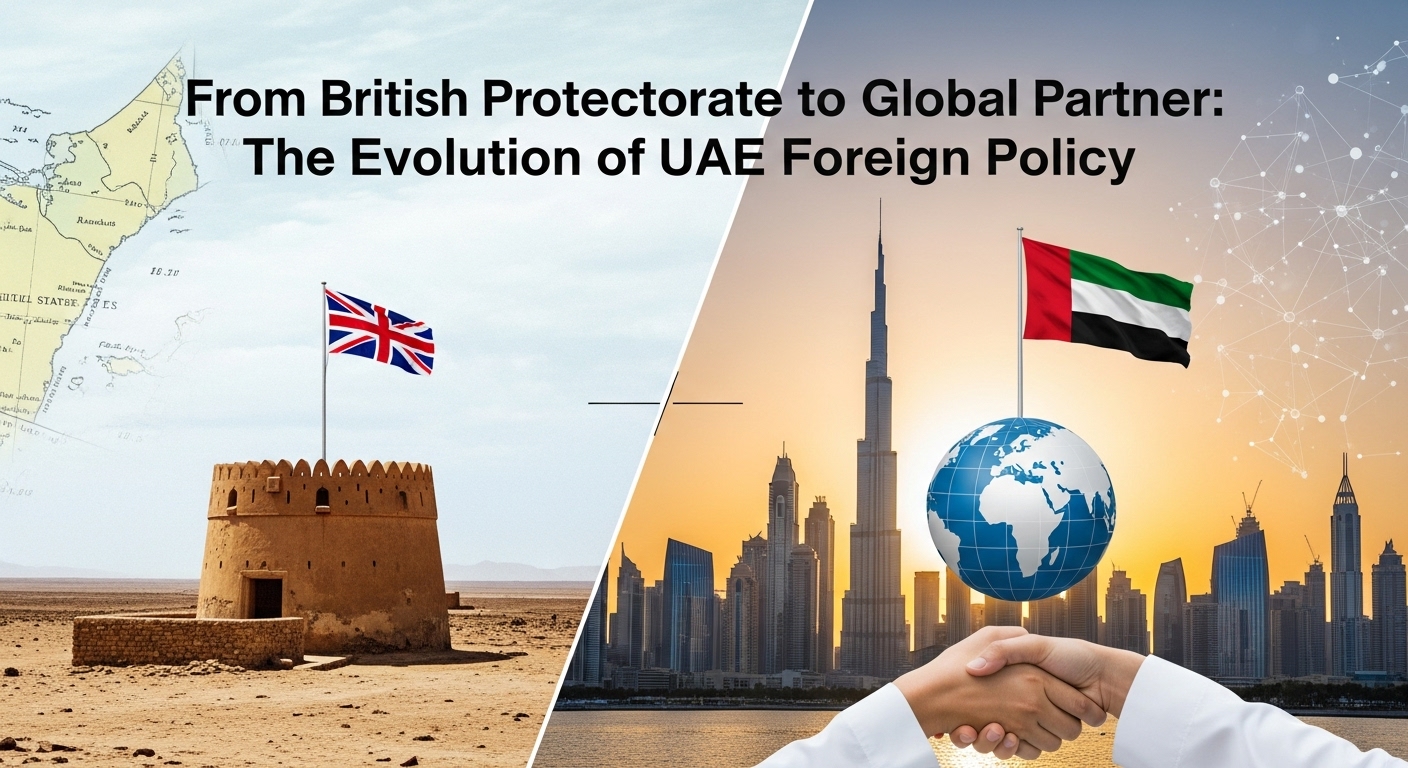
The trajectory of the UAE’s foreign policy is a story of one of the most dramatic and successful transformations in modern international relations. In just over five decades, the nation has journeyed from a collection of sheikhdoms under British protection to a sovereign, confident, and influential global partner. This evolution has been guided by a clear philosophy: leveraging economic strength, strategic positioning, and soft power to ensure national security, drive economic diversification, and carve out a unique role as a mediator, humanitarian, and bridge between East and West. Understanding this journey is key to deciphering the UAE’s growing footprint on the world stage.
History
The UAE’s foreign policy began not with its independence, but in the context of the British “Trucial System.” From the 19th century until 1971, the UK managed the foreign relations and defense of the Trucial States, limiting their direct engagement with the world. The British announcement of withdrawal in 1968 was the catalyst that forced the rulers to look outward and consider their place in a complex regional neighborhood. Upon federation in 1971, the nascent state’s foreign policy was necessarily cautious, focused on gaining international recognition and navigating the turbulent waters of Arab nationalism and the Cold War. The pillars of this early policy, established by Sheikh Zayed, were non-interference in the internal affairs of others, the peaceful resolution of disputes, and support for Arab and Islamic causes.
Key Features
The evolution of UAE foreign policy can be characterized by several distinct phases and features:
- The Foundational Era (1970s-1990s): This period was defined by building a sovereign identity, supporting Arab solidarity (including through financial aid), and establishing the UAE as a reliable and neutral actor.
- The Emergent Power (2000s-2010s): As its economic power grew, the UAE adopted a more assertive and strategic foreign policy. It began to shape, rather than just respond to, regional dynamics, building a powerful military and engaging in coalitions. Its role as a global logistics and trade hub gave it new diplomatic leverage.
- The Global Partner (2010s-Present): The current era is marked by confident global engagement. This includes proactive economic diplomacy, forging strategic partnerships beyond its immediate region (e.g., with Asian powers), and taking a leadership role in global issues like climate change, space exploration, and counter-extremism.
Cultural Significance
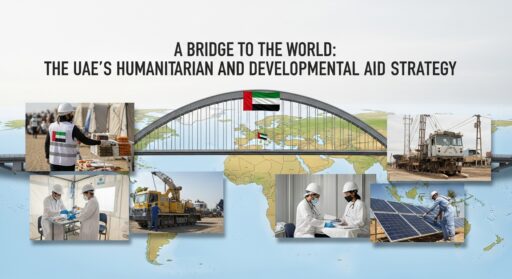
The principles of Emirati foreign policy are deeply rooted in the nation’s cultural heritage. The Bedouin tradition of hospitality (Al Dhiafa) translates into its massive humanitarian aid programs. The merchant heritage of its coastal cities informs its open, trade-oriented economic diplomacy. The consensus-based decision-making of the majlis is reflected in its preference for mediation and building bridges. This cultural grounding provides a consistent moral compass, ensuring that its foreign policy is not just an exercise in realpolitik, but an extension of its national character—pragmatic, generous, and forward-looking.
Modern Relevance
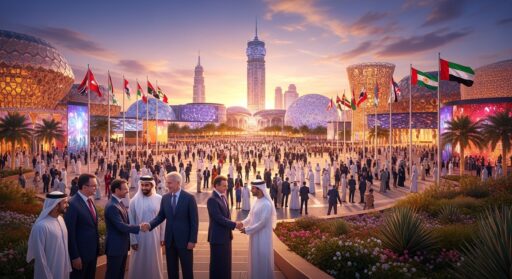
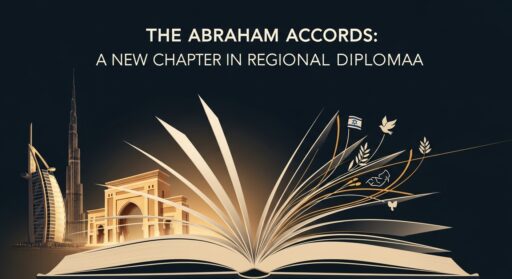
Today, the UAE is a “little Sparta”—a small but highly capable and influential state. Its foreign policy is a critical tool for securing its interests in a volatile region. It maintains a delicate balance, sustaining strong ties with traditional Western allies like the US while building deep economic and strategic partnerships with China, Russia, and other non-aligned nations. Its hosting of major international events, from Expo 2020 Dubai to COP28, is a form of “diplomacy by invitation,” showcasing its capabilities and fostering global dialogue. The UAE’s ability to talk to all sides, as demonstrated in its facilitation of the India-Pakistan corridor and the Abraham Accords, makes it an indispensable node in the global diplomatic network.
Conclusion
The evolution of the UAE’s foreign policy is a masterclass in strategic adaptation. It has skillfully navigated the transition from a protected entity to a protector of its own interests and a proponent of regional stability. By blending its cultural values with hard-nosed strategic calculation, it has crafted a unique and effective diplomatic identity. The UAE no longer simply reacts to global events; it seeks to shape them. Its journey from a British protectorate to a sought-after global partner stands as a powerful testament to what a small, determined, and strategically agile nation can achieve on the world stage.