


Introduction
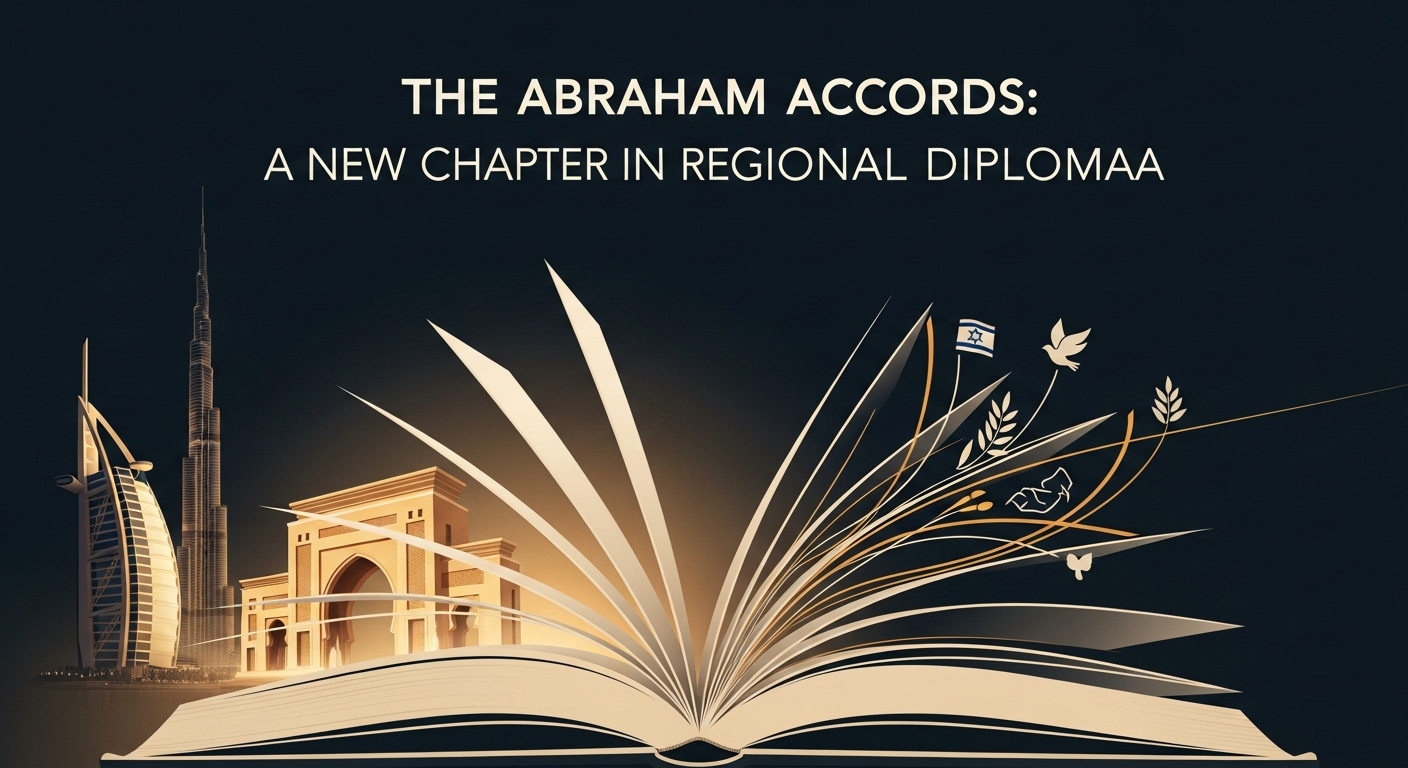
On September 15, 2020, on the South Lawn of the White House, the United Arab Emirates, along with Bahrain, signed a historic agreement to normalize relations with the State of Israel. Known as the Abraham Accords, this breakthrough marked one of the most significant geopolitical shifts in the Middle East in a generation. For the UAE, the Accords were not a sudden departure but a calculated and bold diplomatic gambit, the culmination of years of quiet dialogue and a strategic decision to redefine the region’s future. This move opened a new chapter of peace, economic integration, and technological cooperation, positioning the UAE as a daring and pragmatic architect of a new Middle East.
History
While the signing was a surprise to the world, the groundwork for the Abraham Accords had been laid over many years. Behind the scenes, shared concerns about regional threats and common economic interests had fostered unofficial ties between the UAE and Israel. The turning point was a strategic decision by the UAE’s leadership that the traditional Arab consensus of withholding normalization until a comprehensive Palestinian peace deal was no longer serving the region’s interests. Instead, the UAE pursued a path of using normalization as a tool to create new facts on the ground that could ultimately benefit the Palestinians by halting Israel’s planned annexation of parts of the West Bank and opening new channels for dialogue and development.
Key Features
The UAE’s approach to the Abraham Accords has been characterized by its strategic depth and rapid implementation:
- A Peace for Prosperity: The UAE framed the Accords not just as a political agreement but as a “peace for prosperity.” The focus from day one was on tangible benefits: launching direct flights, establishing embassies, and forging hundreds of deals in technology, finance, healthcare, tourism, and security.
- The Diplomatic Coup: By being the first major Arab state to normalize relations after Egypt and Jordan, the UAE seized the initiative and positioned itself as a regional trailblazer. Its ability to deliver this agreement enhanced its standing with the United States and other Western powers.
- A New Regional Architecture: The Accords were designed to create a new axis of stability and innovation in the region, linking the UAE’s economic dynamism with Israel’s technological prowess to address common challenges like water scarcity, food security, and healthcare.
- The Palestinian Dimension: The UAE consistently linked the Accords to the Palestinian issue, securing a key concession from Israel to suspend annexation. It has since used its new relationship to advocate for the Palestinian people and provide them with direct aid, arguing that engagement is more productive than isolation.
Cultural Significance
The Abraham Accords required a significant shift in public perception. The UAE government embarked on a careful campaign to present the agreement as being in the national interest and consistent with the nation’s values of tolerance and coexistence. The rapid growth in people-to-people contact—through tourism, academic exchanges, and cultural events—has helped to demystify the “other” and build a foundation of mutual understanding. For many young Emiratis and Israelis, the Accords have opened a world of previously unimaginable opportunities for collaboration and friendship.
Modern Relevance
The Abraham Accords have fundamentally altered the UAE’s strategic landscape. They have diversified its alliance portfolio, reducing its regional vulnerability. The economic and technological dividends are already substantial, with billions of dollars in trade and countless joint ventures. The agreement has also enhanced the UAE’s security cooperation, particularly in countering common threats. Furthermore, it has established the UAE as a pragmatic and powerful mediator, capable of bridging one of the world’s most enduring divides. The success of the Accords has inspired other countries, like Morocco and Sudan, to follow suit, creating a momentum for peace that has the potential to reshape the entire region.
Conclusion
The Abraham Accords stand as a landmark achievement in the UAE’s diplomatic history. They reflect a leadership willing to take calculated risks for peace and prosperity. By daring to think beyond the entrenched conflicts of the past, the UAE has opened a new and hopeful chapter for the Middle East. The Accords are a living, evolving partnership that proves that diplomacy, backed by a clear-eyed vision of mutual interest, can overcome decades of hostility. In this bold move, the UAE has not only secured its own future but has also offered a new model for peace in the region—one built on cooperation, economic integration, and a shared aspiration for a better tomorrow.